

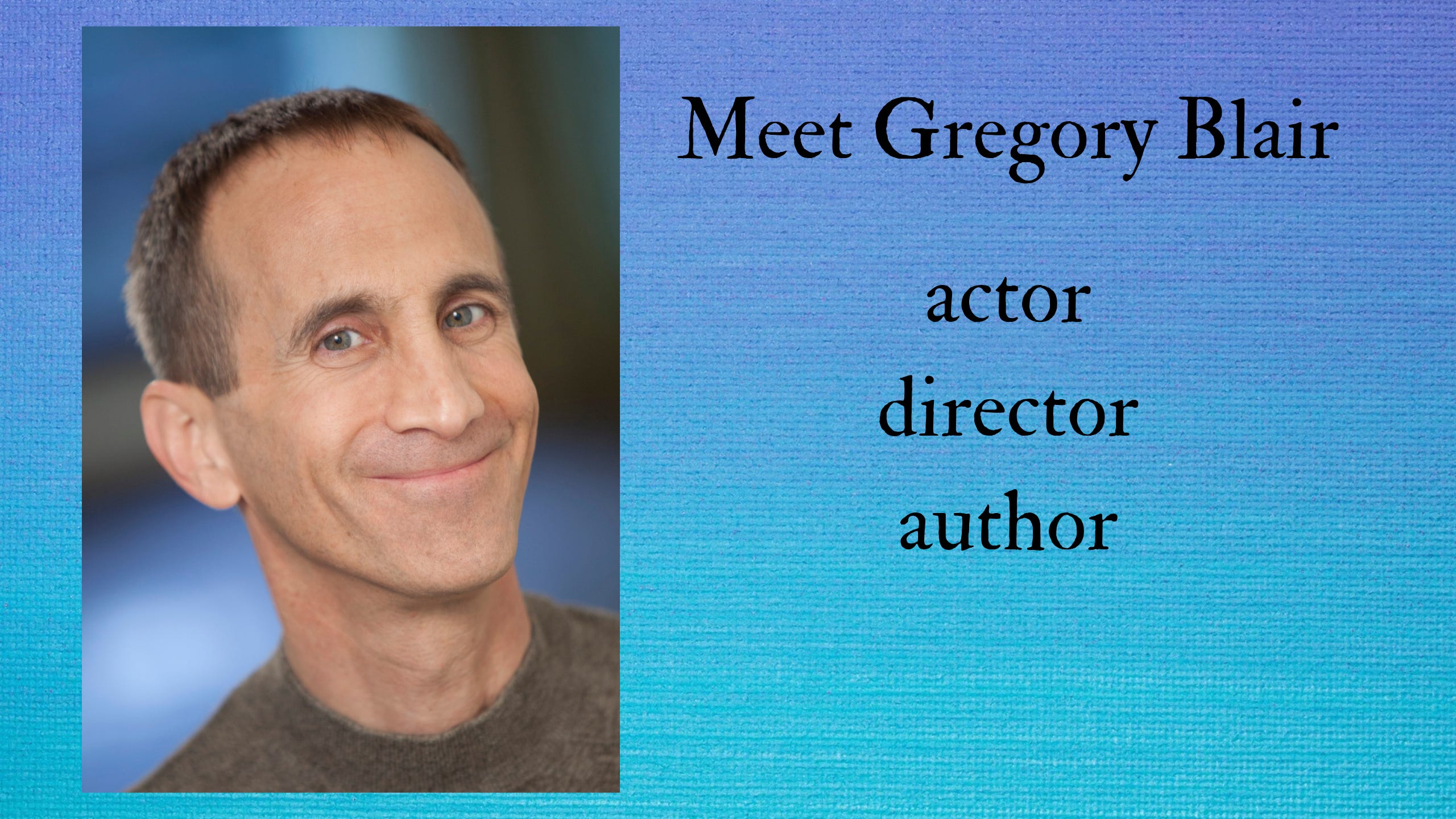
1. Tell us a little about yourself as a writer. What kinds of stories do you love telling?
I’ve always been a bit of a hodgepodge writer: plays, poetry, stories, screenplays; comedy, horror, drama; I never really settled into one format or genre, and I doubt I ever will. As a result, my “writer’s voice” varies, depending on the piece. So, it’s anybody’s guess what you’ll discover when you start reading one of my works. And that’s part of the fun!
2. What first pulled you toward writing? Was there a specific book, movie, or something else that made you fall in love with the idea?
I’m not aware of any specific work really motivating me. I think it was more a case of my being a voracious reader and, at some point, thinking I’d like to create my own stories, too. I started writing stories and plays and short screenplays at a fairly young age; I wrote, performed and directed short films, puppet shows and had created lots of short stories and even the beginnings of some novels that never came to fruition.
3. Tell us about your latest work. Are there any new projects you’re excited to share?
There are two. The last film I created is called “The Mystery of Emma Thorn” and it came out just this year. It’s a small, independent emotional drama about a wife and mother who disappears without a trace. You can watch it now on Amazon or Tubi. And then I’m also writing a horror/suspense drama novel called “Spooks”, which actually started as a short story based on a prompt on Substack!
4. What is one thing you wish readers understood about indie authors?
The one thing I’d mention is that unlike a best-selling author with millions of fans, we are often aware of every sale, every review, every comment. A positive review or comment is not just heard and appreciated, but it honestly can make our day. So, when you buy or praise an indie author, it’s not just shouting into the void; you can be heard by us and by others who might discover and take a chance on our book as a result of your own words. That’s a powerful thing; you really can and do make a difference.
5. Readers love to know how stories are written. Tell us about your go-to writing space, your soundtrack, or any weird habits that help you focus.
I usually have a set place to write wherever I live. I find that having a consistent space that is free of distractions works best for me. I know lots of people write in coffee shops and whatnot, but that would never work for me as I’d constantly get distracted: “Ooo that smells good!”; “I wish that guy would shut up.”’; “This music is killing me.”; “What is she wearing?” I need quiet so I can focus. I also have chronic pain which makes some days harder than others, so having a space where I can stand, sit, recline—whatever I need to find comfort—is necessary.
6. What scene, character, or moment from all of your work still sticks with you?
What is this: Sophie’s Choice? Times 100? Sheesh! If I had to pick something, I guess I’d go with the ending of my horror novel The Ritual because it took years for me to come to a place (and a version) where I felt I could live with it. (I can’t really explain why without spoiling it…and I HATE spoilers!)
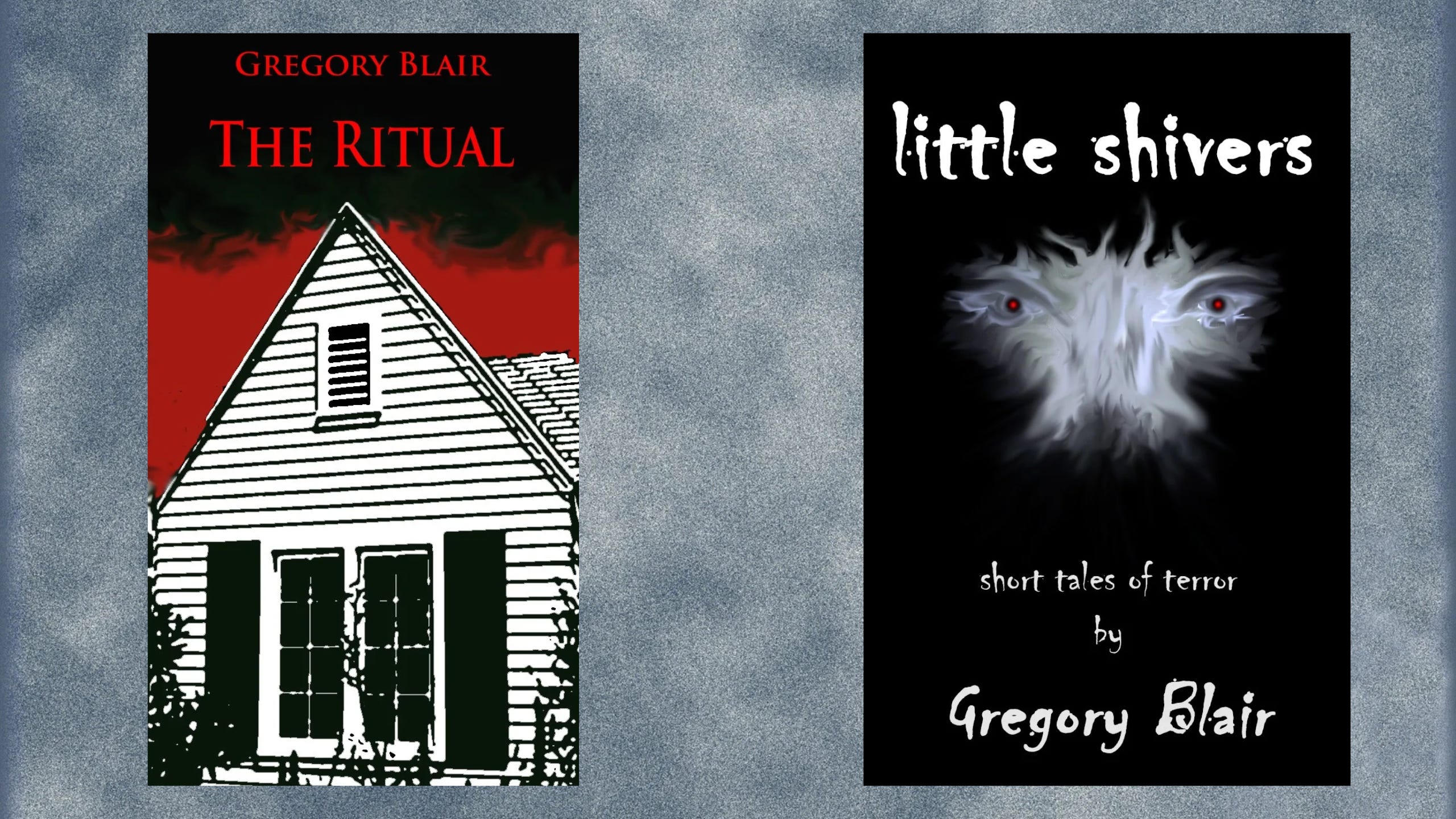
7. What is an ordinary thing that you think would make a fantastic horror story?
I’ve actually done that sort of thing. In fact, three of the stories in my mini-anthology Little Shivers are about perfectly ordinary things that become central in the horror of each tale: a sweater, bedsheets, and even the air! Anything can become a place where horror lives; all it takes is your imagination.
8. What horror trope will you defend forever, and what trope are you ready to see disappear?
I love when an antagonist is funny. From animated Disney’s sarcastic Maleficent to The Stepfather to Freddy Kreuger’s corny quips; I eat that unexpected spark of humor up. And, for my money, the trope I wish would get killed off right now and never get resurrected is when someone trips when fleeing the bad guy. I roll my eyes every time. Make it stop.
9. Which author’s brain would you most want to pick, and what secret of the craft would you hope they teach you?
Probably Agatha Christie. I’d love to know her process for the way she endlessly came up with all those clever and convoluted plots…and made them work without ever making it feel like a cheat.
10. The lights flicker and the house goes dark. You hear something moving in the next room. What is the last sentence you write before the end?
If you’re reading this, and I’ve been killed, then—in a way—I’m haunting you.
11. Where can your readers connect with you online?
Official Website: www.gregoryblair.info
IMDB: https://rb.gy/yqkq4b
Facebook: https://www.facebook.com/TheGregoryBlair
Instagram: https://www.instagram.com/thegregoryblair/
LinkedIn: https://www.linkedin.com/in/gregory-blair-4217779/
TikTok: https://www.tiktok.com/@thegregoryblair
Substack:

Thank you so much for having me as a guest!